


Outdoor Fabric Trends: Stripes, Performance and Coordination
For 2027, striped outdoor cushions can suit a polished patio when they’re balanced with a calmer palette. The current direction favors warm earth and desert-neutral colors on large sofas, lounger cushions, and awnings, giving stripes room to add definition without dominating the setting. The most considered outdoor fabric trends pair visual interest with practical performance.
It’s natural to want cushions that feel current and inviting while standing up to everyday outdoor use. Outdoor fabric trends can help you find that balance: color and pattern shape the mood, while performance features help fabrics resist fading, moisture, and mildew.
Here’s how to assess stripes for 2027, understand what performance fabrics offer, and coordinate patterns, colors, and textures across a furniture collection for a cohesive outdoor retreat.
Table of Contents
Are striped outdoor cushions trending for 2027?
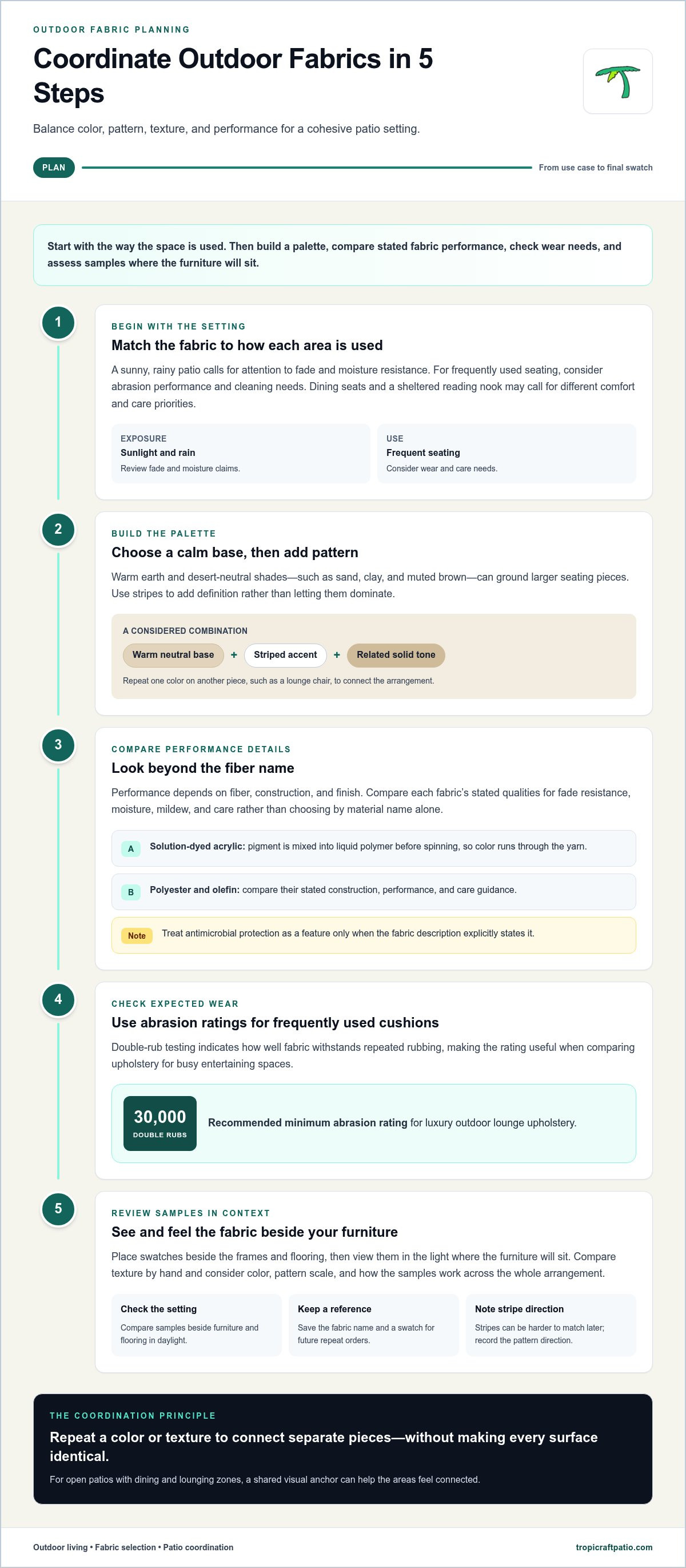
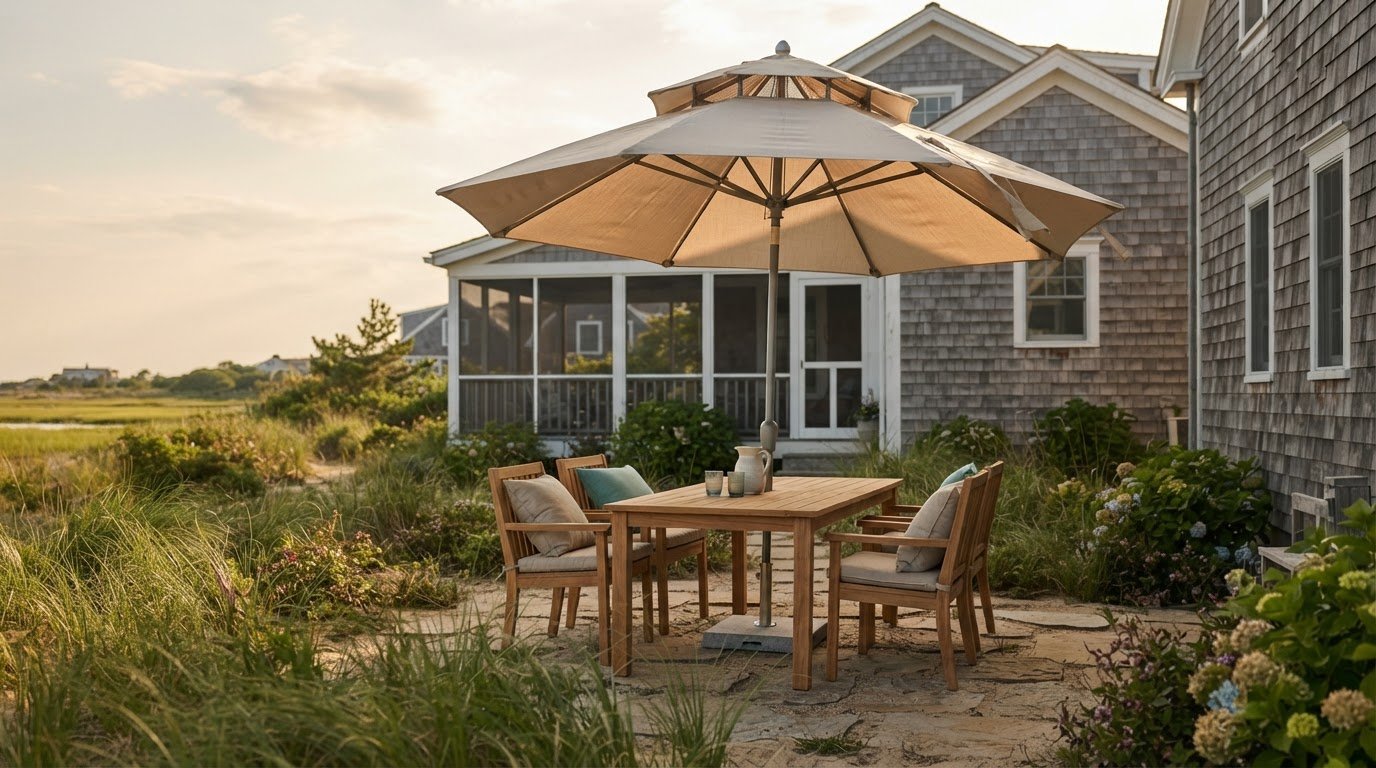
For 2027, striped cushions can feel fresh and contemporary, though the clearer direction is warm earth and desert-neutral colors. Think sand, clay, and muted brown across a large sofa, with stripes adding visual rhythm rather than taking over. These nature-inspired colors create a versatile foundation for a luxury patio.
Which colors and patterns are trending for outdoor fabrics? Warm neutrals and earthy shades lead the palette, while stripes bring a classic pattern back into focus. Pair a striped cushion with a solid one in a related tone, then repeat one color on a lounge chair for a coordinated look.
Texture matters as much as color. Compare fabric samples by hand, and view them beside the furniture in daylight. A soft surface can make deep seating feel inviting, while abrasion resistance matters on cushions used often for entertaining. For luxury outdoor lounge upholstery, a minimum abrasion rating of 30,000 double rubs is recommended.
Colorfastness also deserves attention: strong sunlight can affect how colors look over time. Keep the fabric name and a swatch for future repeat orders, then compare new material against the original in the same light. OEKO-TEX Service GmbH explains that OEKO-TEX STANDARD 100 covers textiles tested for harmful substances from yarn through finished textile products.
What are the main drawbacks and risks of popular outdoor fabrics? Even fabrics designed for outdoor use can show wear, and prolonged exposure may affect color or texture. Stripes can also be harder to match when ordering later, so keep a swatch and note the pattern direction before coordinating additional cushions.
Export orders may involve additional compliance considerations, so check the requirements for the destination market. Buyers can keep this in mind when assessing their order requirements.
What are performance outdoor fabrics?
Indoor-outdoor fabrics are designed to resist fading, moisture, and mildew, helping cushions retain comfort and character through the season. Performance depends on the fiber, construction, and finish, so compare the fabric’s stated qualities with its intended use.
Which outdoor fabrics offer the best UV, fade, and water resistance? Solution-dyed acrylic is a practical option for color retention: pigment is mixed into liquid polymer before spinning, so color runs through the yarn. Indoor-outdoor fabrics are also designed to retain color and texture in intense sunlight and rain, while some premium options may have moisture-repellent and mildew-resistant treatments.
How do solution-dyed acrylic, polyester, and olefin outdoor fabrics compare? Solution-dyed acrylic has pigment embedded throughout the yarn. Compare polyester and olefin by their stated construction and performance, rather than by fiber name alone. Look for clear information on fade resistance, moisture, and care.
Abrasion resistance matters for lounge cushions that see frequent use. Double-rub testing indicates how well fabric withstands repeated rubbing, making the rating useful when comparing upholstery for busy entertaining spaces. Solution-dyed outdoor bouclé can pair a soft texture with UV resistance, mildew protection, and abrasion durability.
How do you choose outdoor fabric for different climates and uses? On a sunny, rainy patio, prioritize fade and moisture resistance. For frequently used seating, consider abrasion performance and cleaning needs. Antimicrobial protection is a separate claim, so count on it only when the fabric description explicitly states it.
What materials are popular for outdoor upholstery and cushions? Solution-dyed acrylic, polyester, olefin, and outdoor bouclé are common choices to compare. To narrow options for your space, consider your exposure and care preferences, then discuss your outdoor seating needs.
Coordinating fabrics across furniture collections
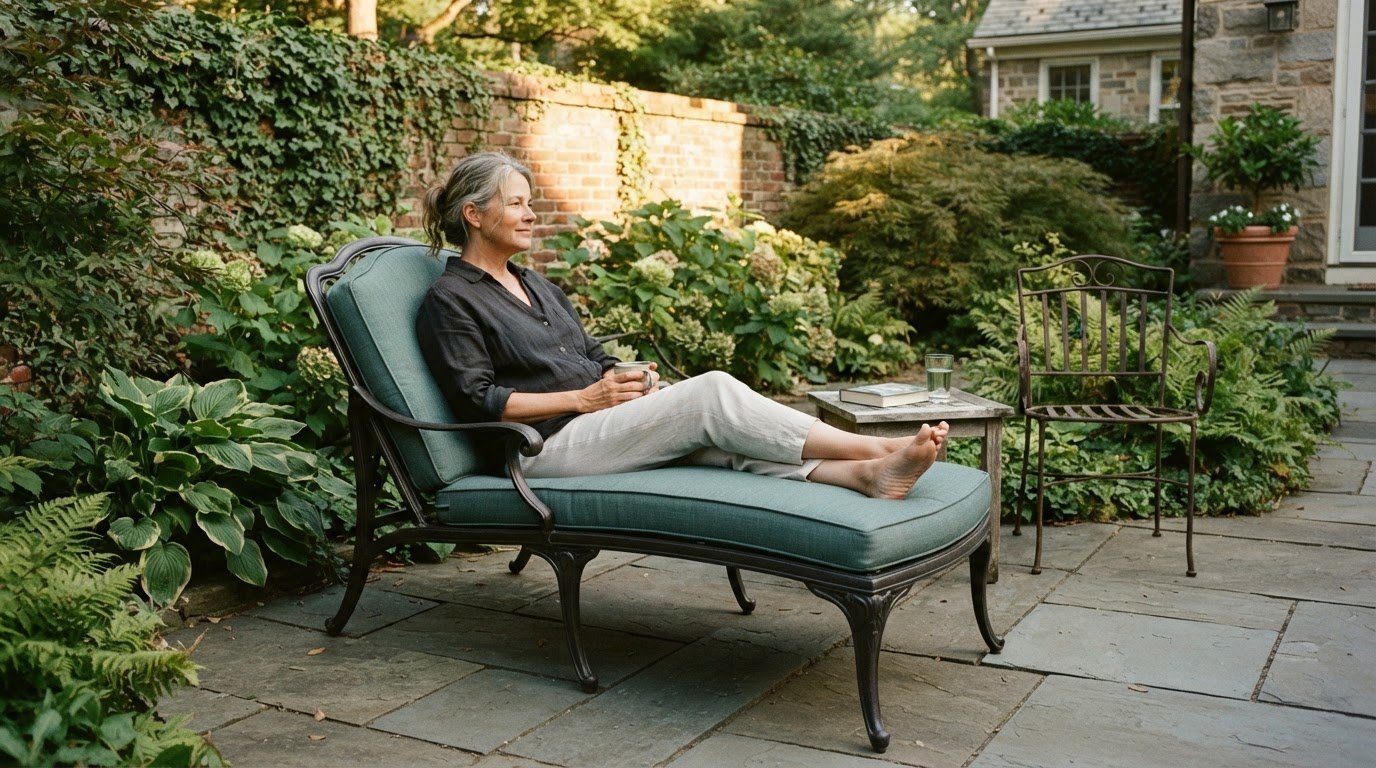
Start with one visual anchor, such as a patterned textile on a lounge chair, then echo a smaller detail in another seating area. Repeating a color or texture can connect separate furniture pieces without making every surface identical. This works especially well when dining and lounging zones share an open patio.
Before choosing upholstery, consider how each area will be used. Dining seats may need a different balance of comfort and easy care than a sheltered reading nook. Place fabric swatches beside the frames and flooring, and view them in the light where the furniture will sit. This helps reveal whether the colors work together across the arrangement.
Trade-only fabric collections may group textiles around a shared design direction, but a collection name alone doesn’t establish whether a fabric is suitable outdoors. Review each textile’s fiber and performance details. For example, polyester composition is one consideration; stated outdoor performance and care guidance matter, too.
When comparing Earth and Archive, Age of Intention, or Bayou Whispers, use actual swatches rather than assumptions based on the names. Note each textile’s dominant hue, texture, and pattern scale, then see how it looks beside your furniture. A simple reference board can keep later selections consistent.
Explore outdoor furniture collections as you plan the setting, and contact Tropicraft Patio to discuss fabric coordination for your space.
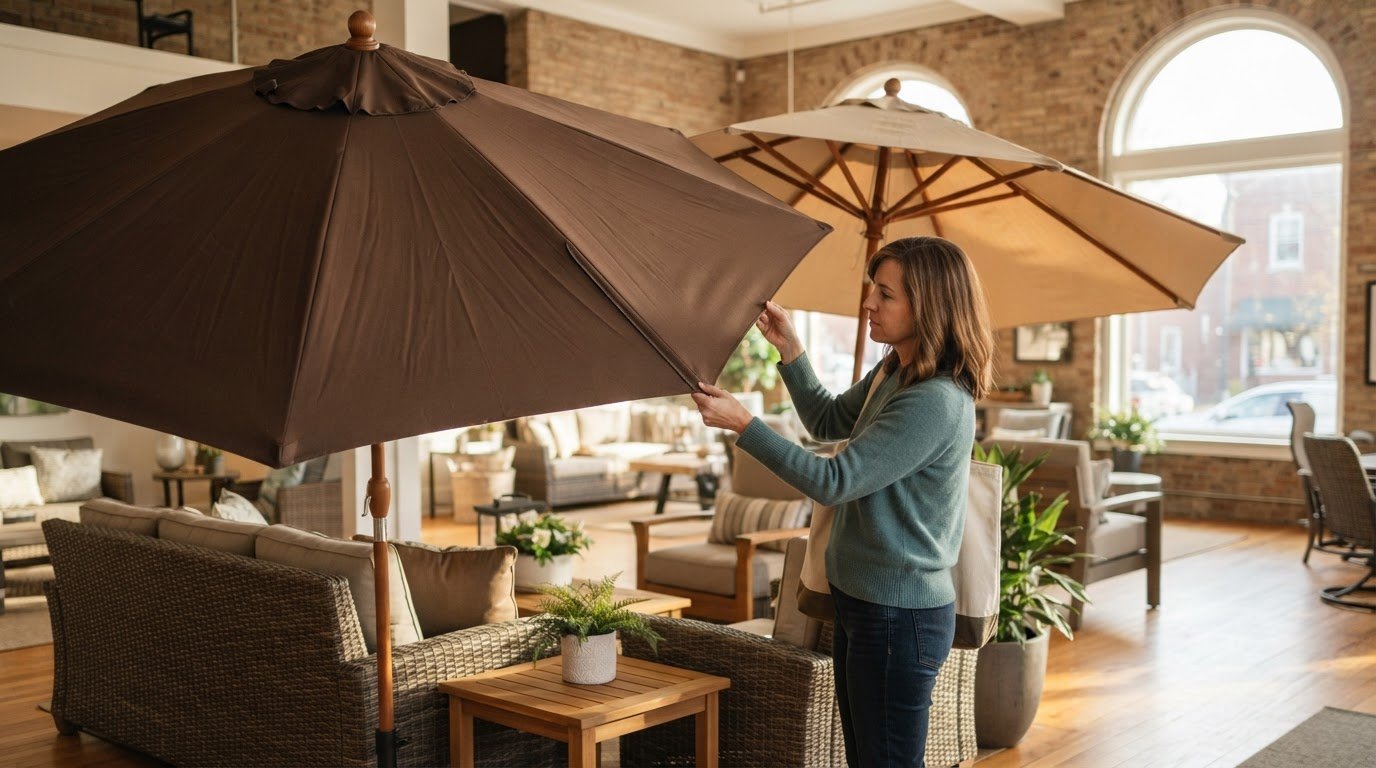
Fabric samples let you see and feel materials in their intended setting before choosing. Assess each option as part of the complete arrangement rather than judging by its name alone. Compare the samples with the furniture and your chosen visual anchor, and consider whether their colors, textures, and patterns work with the other areas you’re coordinating.
Taking time to compare samples can help you make a considered choice for your planned arrangement.
Tropicraft Patio: Resin Wicker
Tropicraft Patio offers resin wicker, cast aluminum, and extruded aluminum furniture. For outdoor spaces in Ardmore, Philadelphia, Ventnor, Margate, Stone Harbor, Avalon, Cape May, King of Prussia, or Villanova, compare each frame’s appearance and construction with the setting’s weather exposure and intended use.
Consider durability and long-term value as part of your decision. Look closely at craftsmanship, finishes, and care needs. Resin wicker has a woven look, while cast and extruded aluminum create a different visual character. Choose a style that suits your space and how you plan to use it.
Contact Tropicraft Patio to discuss furniture options for your outdoor space.
Shape the next chapter of your outdoor space
Let your fabric choices set the mood, then use them as a starting point for the wider setting. A coordinated plan can bring cushions, furniture finishes, and the surrounding landscape together in a considered retreat. As you explore outdoor fabric trends, focus on the feeling you want the space to create and how you’ll use it day to day.
Tropicraft Patio’s resin wicker, cast aluminum, and extruded aluminum options offer distinct foundations for shaping your setting. Consider which frame style complements your chosen colors and the character of your home, then refine the details at your own pace.
Contact Tropicraft Patio for fabric advice and take the next step toward an outdoor space that feels distinctly yours.
Frequently Asked Questions
What patterns work best for outdoor furniture?
Choose a pattern scale that suits the furniture’s shape and available fabric panels. A large botanical motif can make a broad chair back feel expressive, while a small geometric repeat may suit compact dining seats. Consider seam placement, too: prominent motifs may need careful positioning to look intentional across cushions and upholstery.
What are the top outdoor fabric trends for 2026?
A notable 2026 direction is marine-grade synthetic leather for poolside and open-air settings. It’s described as impermeable to water and salt, bringing a smooth, tailored surface to outdoor spaces. Consider whether that refined look suits the furniture’s role and the atmosphere you want, especially in areas designed for lounging near water.
How are recycled and sustainable outdoor fabrics changing?
Recycled textiles can use materials such as reclaimed polyester or pre-consumer nylon, turning recovered material into upholstery yarn. To assess a fabric, read its fiber composition and recycled-content description, then evaluate durability and care requirements separately. Sustainability wording explains material sourcing; it doesn’t, by itself, show how a textile will perform outdoors.
Comments