


Outdoor rocking chair sets for porches with cushion or sling seats
The plushest-looking porch rocker isn't automatically the easiest one to live with. Choosing an outdoor rocking chair set for a porch means balancing the feel you want with the care you’re comfortable giving it, and deciding how much room you want for sitting together.
Cushion and sling seats offer distinct seating experiences, while the frame material and exposure to the elements affect upkeep. The right choice depends on how you use your porch, how much maintenance suits your routine, and whether you’re furnishing a quiet corner or a place to welcome company.
Here, you’ll learn how cushion and sling seats compare, what outdoor care involves, and how two-seat and three-seat porch rocker sets differ. With those details in mind, you can choose a set that brings lasting comfort and a composed, inviting feel to your outdoor retreat.
Table of Contents
Cushion and sling seat options
Start with the feel you prefer for a quiet morning or conversation. A cushion adds a separate padded layer, with softness and appearance shaped by its fabric and profile. A sling seat uses a taut panel instead of a loose pad for a streamlined look. Sit in both styles and notice whether the seat supports your legs without pressure.
Seat depth affects how a rocker feels during longer stretches outdoors. A deeper seat with substantial cushions can create a relaxed, lounge-like position. A shallower seat may feel more upright for conversation across a porch table. Check how the cushion meets the backrest, too. A gap behind the lower back, for example, can affect comfort, while a well-fitted cushion keeps the seating surface looking composed.
Capacity is another practical detail, not a measure of comfort. One listed outdoor rocker has a 250-pound capacity. Treat that as a specification for that particular chair, not a standard for every set. Compare the stated capacity of each option with the people who will use it.
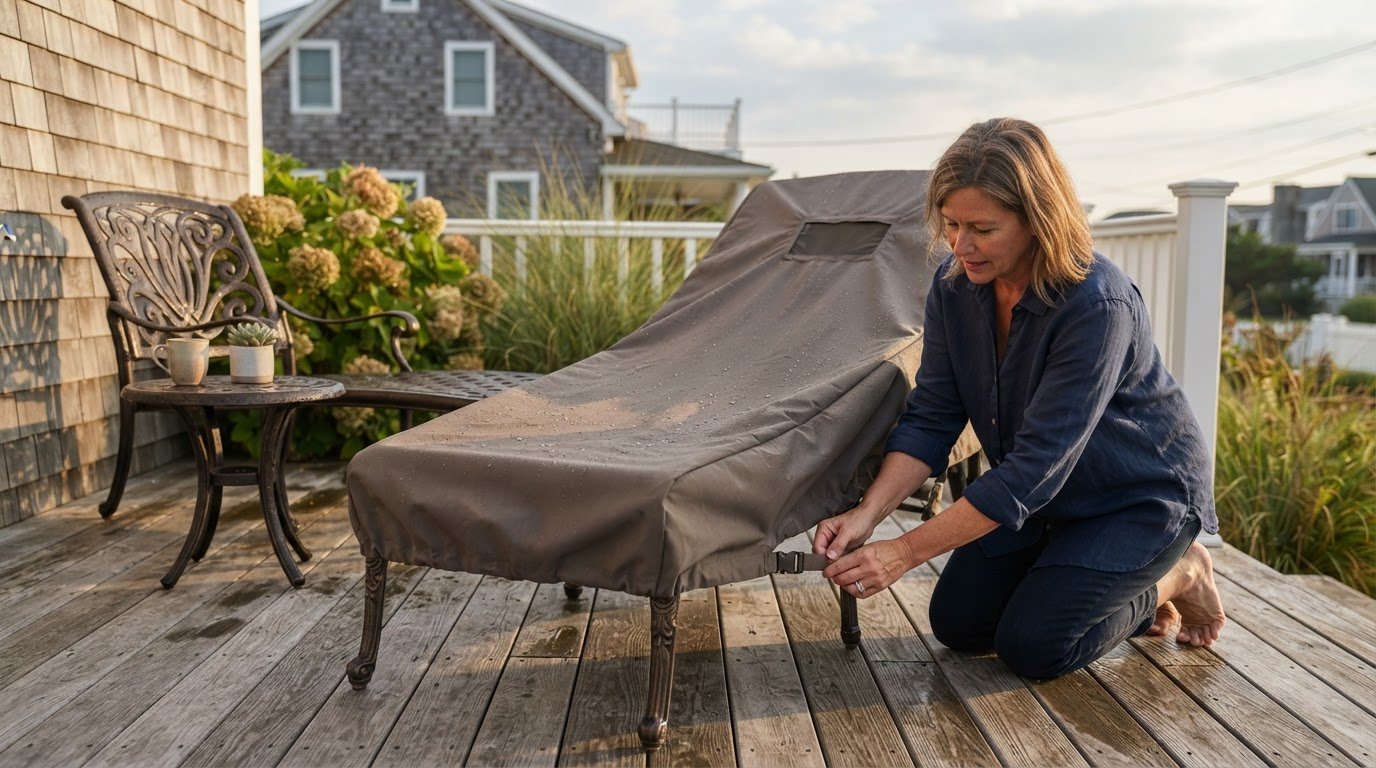
Before deciding, test the rocking motion while seated, then check the cushion placement after standing. Consider where cushions will go when the porch is unused. A dedicated storage spot keeps them close at hand, while a protective cover can help shield the seating between uses. Choose an arrangement that suits your comfort preferences and daily routine.
Outdoor durability and maintenance
Durability depends on the frame material, finish, joints, and exposure. A rocker beneath a covered porch faces different conditions from one exposed to direct rain. After storms, remove standing water and clear debris from joints. Clean the frame with a soft cloth and a suitable mild cleaner, following the care instructions for its material.
Check the stated weight capacity for each chair, not just the set. Inspect the base for stable contact with the floor, smooth rocking movement, secure joints, and pinch points around moving parts. Keep the rocker on a level surface, with enough clearance from walls and railings for safe movement.
Regular maintenance helps protect the finish and keep movement smooth. Periodically inspect fasteners and rocker rails for looseness, wear, or damage. Address issues according to the manufacturer’s instructions rather than continuing to use a chair that feels unstable. If cushions stay outdoors, let them dry fully after rain before storing them.
Read the warranty terms before choosing a set. Check the coverage period, included components, and any exclusions for finishes, fabric, or weather exposure. A warranty describes specific coverage; it doesn’t replace routine care. A protective cover, for example, can help shield a rocker from debris and rain between uses, but follow the maker’s care guidance to prevent trapped moisture. These checks help you match upkeep to your porch and keep the seating ready for everyday use.
Two- and three-seat porch rocker sets
A two-seat set creates a paired conversation area, while a three-seat arrangement makes room for another person. Before choosing, measure the porch’s usable width and allow space for each rocker to move. Try marking where the chairs would sit with masking tape, then leave clear space around their rocking paths and nearby railings.
Compare the stated capacity for each chair rather than assuming a shared frame supports more. The stated figure applies to that specific set, not every pair. Check each product’s capacity and construction details, then consider how you plan to use the chairs.
Style affects both appearance and arrangement. A traditional open-arm rocker can feel visually light on a narrow porch, while a wider silhouette may suit a generous veranda. Two individual rockers are easy to position around a small table. A three-seat grouping can create a unified place to gather, provided the porch allows comfortable movement.
Assembly requirements vary by design. Some sets may arrive assembled; others require components to be attached. Follow the maker’s instructions, use the supplied hardware, and tighten each connection as directed. Before sitting, place every rocker on a level surface and test its movement. This helps confirm that the chairs feel stable and move without obstruction.
Weigh the convenience of a coordinated pair against the space available on your porch. Confirm that the set’s dimensions and each chair’s capacity suit the intended placement and use.
Tropicraft Patio
Tropicraft Patio can help you narrow down practical options for porch seating. When choosing an outdoor rocking chair set for a porch, consider how many people will use it, how much room the rockers need, and which frame material suits your setting and care routine. These priorities make it easier to compare options for everyday use.
Resin wicker, cast aluminum, extruded aluminum, and teak offer distinct material directions. Compare the look of woven outdoor seating with the clean lines of aluminum patio furniture, then consider which best complements your porch and preferred style. The outdoor furniture lines provide a way to explore materials as you narrow your choices.
Bring your porch measurements and preferred seating arrangement to Tropicraft Patio’s Ardmore showroom. A compact area may call for a restrained layout, while a larger veranda can accommodate a more generous grouping. The goal is a considered choice that brings comfort and style to your outdoor retreat.
For help considering your porch and seating preferences, contact Tropicraft Patio.
Frequently Asked Questions
What should I look for in an outdoor rocking chair set for a porch?
Start with the complete product dimensions and the route to your porch. Measure narrow doorways, gates, and turns, then compare them with the chair dimensions and packaging details. This can prevent a set from fitting the porch but proving difficult to bring home. Review the product listing to confirm that the arrangement suits how you plan to use the space.
What materials are best for weather-resistant porch rocking chairs?
The best choice is a material and finish intended for outdoor use in your setting. Look for care instructions that explain how to clean the frame and maintain its finish, then consider how much ongoing attention you want to give it. A porch near sprinklers or exposed to strong afternoon sun may call for different priorities than a deeply sheltered entry.
Which outdoor rocking chair sets are top-rated in the United States?
No single national ranking establishes one set as best for every porch. Ratings depend on the specific model and review source. Compare feedback about the same model across reviews, looking for detailed comments about everyday comfort, finish appearance, and how well the set matches its description. A high rating alone may not reflect your priorities.
Are porch rocking chair sets sold with cushions or side tables?
Set contents vary, so read the product description for the exact pieces included. A side table may come with one arrangement and be separate from another. Tropicraft Patio sells individual pieces as well as complete sets, giving you flexibility to build a layout around your porch instead of assuming every accessory comes in one package.
How do I protect outdoor rocking chairs from rain, sun, and winter weather?
Use the care instructions for the specific frame and finish to guide seasonal preparation. Check whether the manufacturer recommends particular cleaning products before removing marks from a chair. When planning winter storage, follow the guidance for the furniture’s material and construction. This avoids relying on a one-size-fits-all routine for different finishes and designs.


Comments