


Signs of a well-made wicker frame in its materials and build
What if the wicker’s appearance tells you less about its quality than the frame beneath it? The clearest signs of a well-made wicker frame are sturdy, corrosion-resistant construction, secure joints, and a tight, even weave. A beautiful finish matters, but lasting comfort depends on how well the frame supports the seat and how carefully each strand is woven.
It’s natural to look first at color and pattern when choosing outdoor furniture. Yet the materials and construction reveal more about how a piece may hold up to regular use and changing weather. This guide explains what to inspect in the frame, weave, and finish, and how those details can help you assess durability and value. You’ll know which features deserve a closer look before choosing furniture for your outdoor space.
Table of Contents
1. Frame materials and construction: Signs of a well-made wicker frame
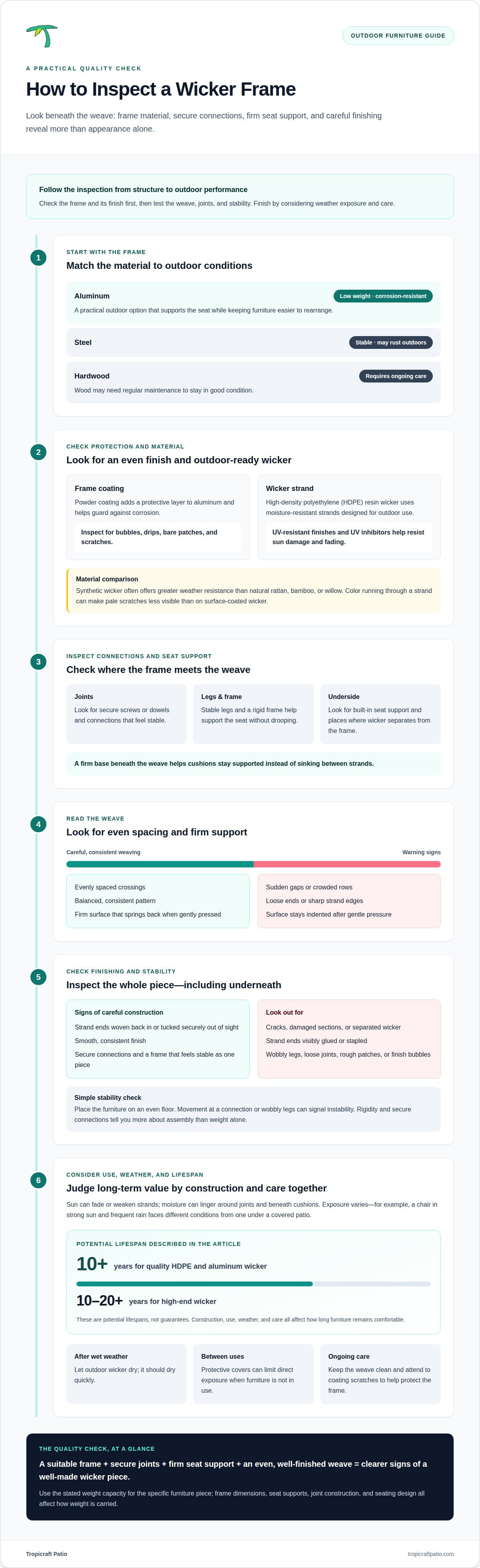
For outdoor wicker, aluminum offers a useful balance of low weight and corrosion resistance. A sturdy frame supports the seat while keeping furniture easier to rearrange. Steel can provide stability, but it may rust outdoors. Hardwood frames are another option, though wood may need regular maintenance to stay in good condition.
Powder coating adds a protective layer to aluminum and helps guard against corrosion. Scratches in the coating still need attention. Look for a smooth, even finish without bubbles, drips, or bare patches. UV-resistant finishes and polyethylene wicker with UV inhibitors help resist sun damage and fading.
The synthetic strand matters, too. High-density polyethylene resin wicker uses moisture-resistant strands and is designed for outdoor use. Color that runs through the strand can make pale scratches less visible than on surface-coated wicker. Synthetic wicker often offers greater weather resistance than natural rattan, bamboo, or willow, which are plant fibers.
Inspect where the frame meets the weave. Secure joints, stable legs, and built-in seat support help the frame carry weight without drooping. A tight weave with evenly spaced crossings gives cushions a firmer base and helps keep them from sinking between strands. Loose ends, uneven gaps, and sharp edges point to poor finishing.
For outdoor use, aluminum is generally the more practical choice for corrosion resistance. Steel can rust, while hardwood needs ongoing care. Check the frame’s finish, the support beneath the seat, and the weave density together. These details are clearer signs of a well-made wicker frame than appearance alone.
2. How To Tell Good Quality Wicker Furniture?
Run your eye across the seating surface: tight weaving shows evenly spaced crossings and balanced patterns, without sudden gaps or crowded rows. Press the surface gently; well-made wicker should feel firm and spring back rather than stay indented. Those simple checks help distinguish careful weaving from rushed work.
Inspect the whole piece, including its underside. Look for cracks, damaged sections, sharp strand ends, and places where wicker separates from the frame. Well-finished strand ends are woven back into the body or tucked securely out of sight, not left visibly glued or stapled. Check joints for secure screws or dowels, then place the furniture on an even floor. Wobbly legs or movement at a connection can signal instability.
Common shortcuts include uneven spacing, loose joints, and a finish with bubbles or rough patches. A smooth, consistent finish and a frame that feels stable as one piece are stronger signs of careful construction. Don’t judge quality by weight alone; rigidity and secure connections tell you more about how the furniture is assembled. Construction details can also show what supports the seat beneath the weave.
Price can reflect material, labor, and finish, but it cannot prove quality by itself. Compare those details instead, especially for outdoor furniture exposed to sun and moisture. Keep wicker clean and dry after wet weather, and use a protective cover when it won’t be used for a while. For help weighing construction and care considerations, discuss your furniture questions.
3. Assessing durability and long-term value
Outdoor exposure tests both the frame and the wicker. Sun can fade or weaken strands, while moisture can linger around joints and beneath cushions. UV-resistant synthetic wicker is designed to resist fading, cracking, and sun damage. An aluminum frame resists corrosion, helping the structure stand up to outdoor conditions. After rain, outdoor wicker should dry quickly; protective covers can limit direct exposure when patio furniture is not in use.
How much weight can a well-made wicker chair or sofa frame support? There is no single capacity that applies to every piece. Frame dimensions, seat supports, joint construction, and seating design all affect how weight is carried, so use the stated capacity for the specific piece rather than estimating from appearance.
Quality wicker furniture made with HDPE and aluminum can last 10 or more years, while high-end wicker may last 10-20+ years. These are potential lifespans, not guarantees; construction, use, weather, and care all shape how long pieces remain comfortable. For example, a chair kept in strong sun and frequent rain faces different exposure from one under a covered patio.
Judge long-term value by considering the frame, weave, and care needs together. A firm frame and securely attached strands may help avoid replacing furniture early, while timely attention to coating scratches can protect the frame. Keep the weave clean and allow it to dry after wet weather. Discuss outdoor wicker durability when weighing materials for your patio.
Tropicraft Patio: Resin Wicker
Tropicraft Patio offers resin wicker for readers considering wicker furniture for an outdoor retreat. If you’re weighing weave, frame construction, and weather exposure, exploring the resin wicker furniture selection can help you consider the style alongside your practical needs.
Compare wicker with cast aluminum or extruded aluminum if you’re also considering a different frame-and-material combination for your patio. The right choice depends on your space, how you plan to use it, and the look you want to create. Focusing on those details can help turn the signs of quality into a confident furniture decision.
For help exploring outdoor furniture materials, contact Tropicraft Patio.
Shape a patio that feels built for you
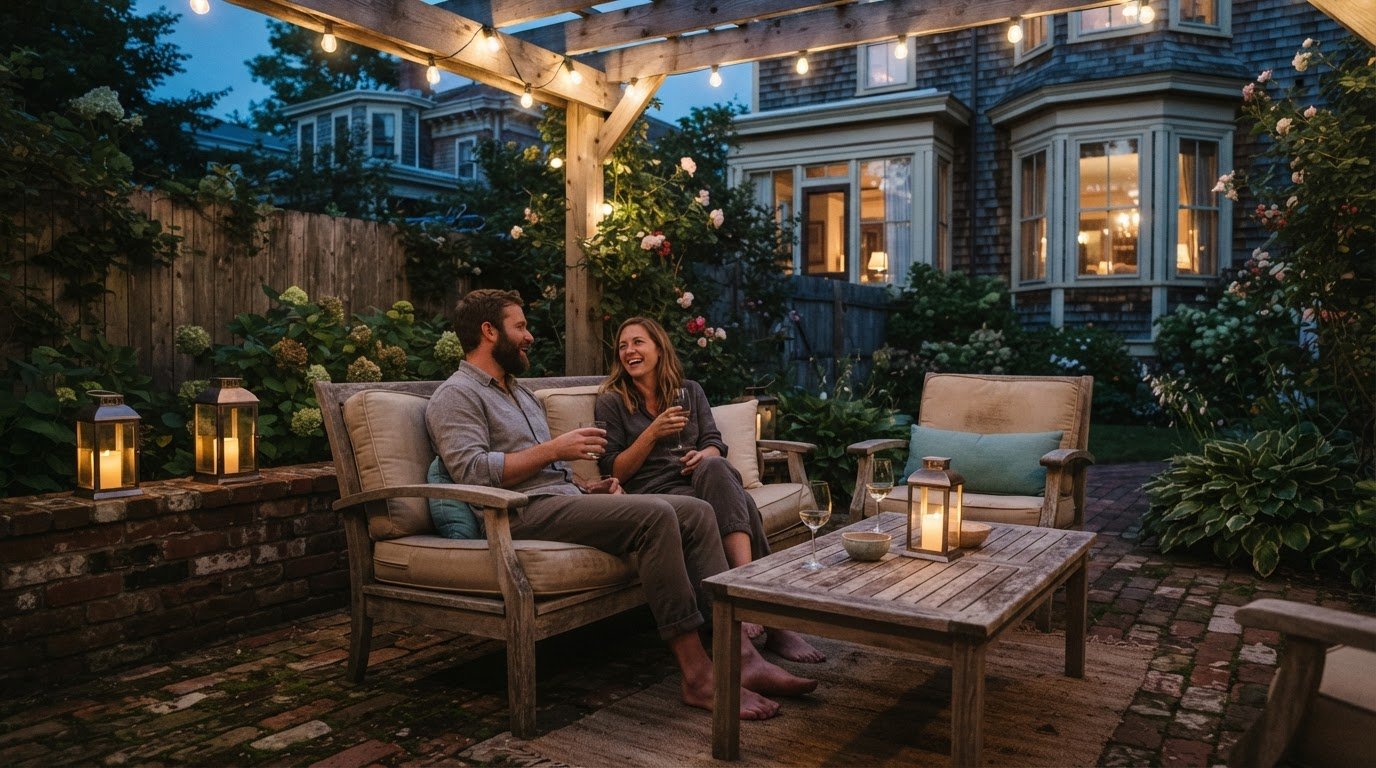
Use the signs of a well-made wicker frame as a starting point, then picture how you want the space to work: a quiet reading corner, open-air dining, or a welcoming place to gather. Your daily routine can help narrow the right material and arrangement, so the furniture feels considered rather than simply placed.
Resin wicker brings woven texture to an outdoor setting, while cast aluminum and extruded aluminum offer distinct alternatives when you compare materials. Think about the atmosphere you want, how the pieces will be used, and how they’ll fit with the rest of your patio. A thoughtfully chosen setting can make everyday outdoor moments more inviting.
Contact Tropicraft Patio to explore a direction that suits your outdoor space. Take the next step toward a patio that feels calm, comfortable, and distinctly yours.
Frequently Asked Questions
How To Tell Good Quality Wicker Furniture?
Consider whether a piece suits the way you’ll use it, not just how it looks. For a dining area, check that the chair proportions allow comfortable seating at your table. For a lounge space, consider how the furniture fits and supports a relaxed posture. A well-chosen piece should work for your routine as well as look cohesive.
What materials are used in a well-made wicker frame?
Wicker describes the woven surface, not necessarily the supporting frame. Product descriptions may identify resin or polyethylene for the weave, and aluminum, steel, or wood for the structure. Read those details separately to judge each component for your setting. If a listing only says “wicker,” compare its full specifications with those of other pieces before deciding.
What are signs of a sturdy wicker frame structure and joints?
Look for a clear support path from the seat to the legs, with no unsupported section that appears to carry the full load alone. Consider how the chair or sofa will be used, including whether people regularly sit on its edges or arms. Choose a piece whose stated capacity and intended use suit your household, rather than relying on appearance.
What finish and weather-resistant features should outdoor wicker furniture have?
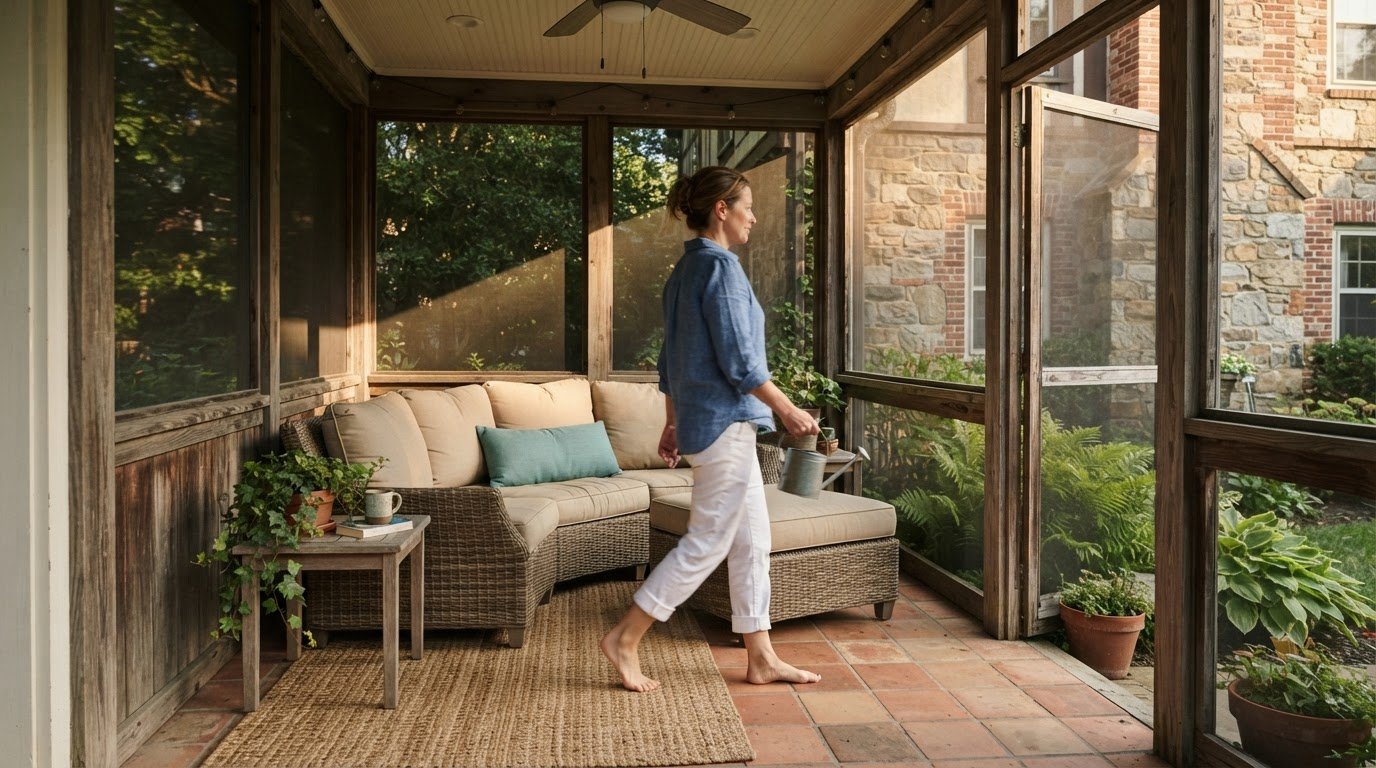
Match the finish and care requirements to the furniture’s location. A covered porch, an open patio, and a space exposed to strong afternoon sun present different demands. Before choosing, consider where the piece will sit throughout the season and whether you can move or cover it as needed. Clear care instructions make upkeep easier to plan.
How do you compare wicker frame quality when shopping in person or online?
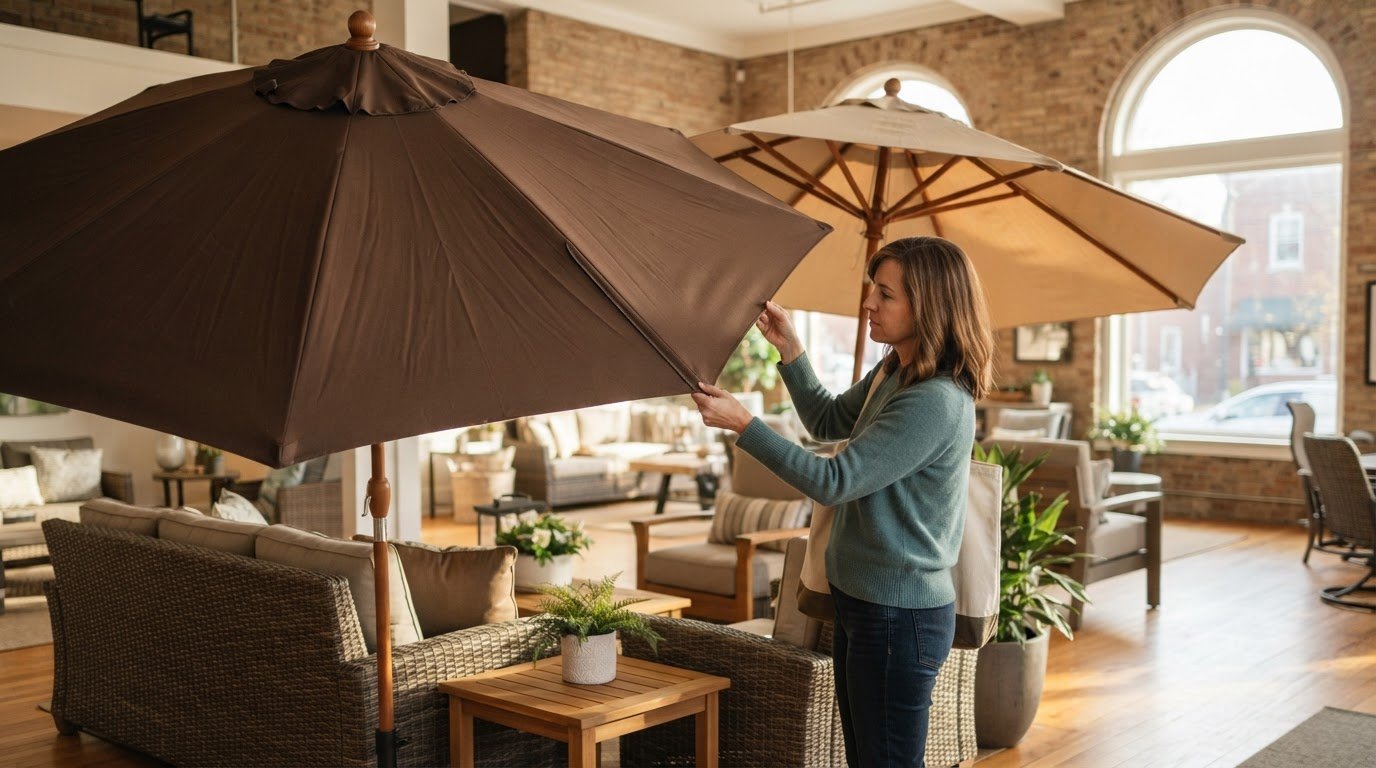
Compare pieces using the same details: overall dimensions, frame and weave materials, intended placement, care guidance, and stated weight capacity. In a showroom, judge the scale alongside the furniture you already own. Online, use written specifications as well as product images, and note missing details so you can compare like with like instead of choosing by styling alone.
Comments